


Ever scrolled through your feed, spotting a celebrity rocking an outfit that screams "you," only to discover it's worth more than your monthly rent? We've all been there, sighing at the dream of replicating those luxe looks without breaking the bank. Well, dream no more! Our latest guide, "Celebrity Style Steals: Get the Look for Less," is here to turn that sigh into a stylish strut.
Why Planning 30–90 Days of Content Is a Growth Strategy

Planning content ahead of time isn’t about controlling creativity—it’s about creating space. When your content is planned 30–90 days in advance, you remove daily pressure, reduce decision fatigue, and gain the ability to look at your content as a system, not a scramble.
This planning window also allows you to align content with launches, goals, and analytics insights instead of reacting week by week. Strategy replaces stress, and consistency becomes easier to maintain.
👉 Related read: How to Create a Content Strategy That Supports Business Growth
Start With Clear Goals Before You Touch a Calendar

The biggest mistake creators make is planning content around platforms instead of outcomes. Before you map a single post, get clear on what this 30–90 day period needs to support.
Your content goals might include:
- Increasing website traffic
- Growing your email list
- Building authority
- Supporting a product or service
- Improving engagement quality
Each goal determines what type of content you should prioritize.
👉 Internal link: Brand Strategy
👉 Analytics support: Analytics & Reporting (to align goals with metrics)
Define Your Content Pillars (This Is Non-Negotiable)

Content pillars are the recurring themes your brand talks about. They prevent burnout by narrowing your focus and make analytics easier to interpret because you can clearly see which themes perform best.
Most brands work best with 3–5 pillars, such as:
- Education
- Strategy
- Storytelling
- Behind-the-scenes
- Reviews or resources
These pillars become the backbone of your blog posts, social content, emails, and even product ideas.
👉 Related category: Content Strategy & Creation
Choose a Planning Window That Supports Your Life
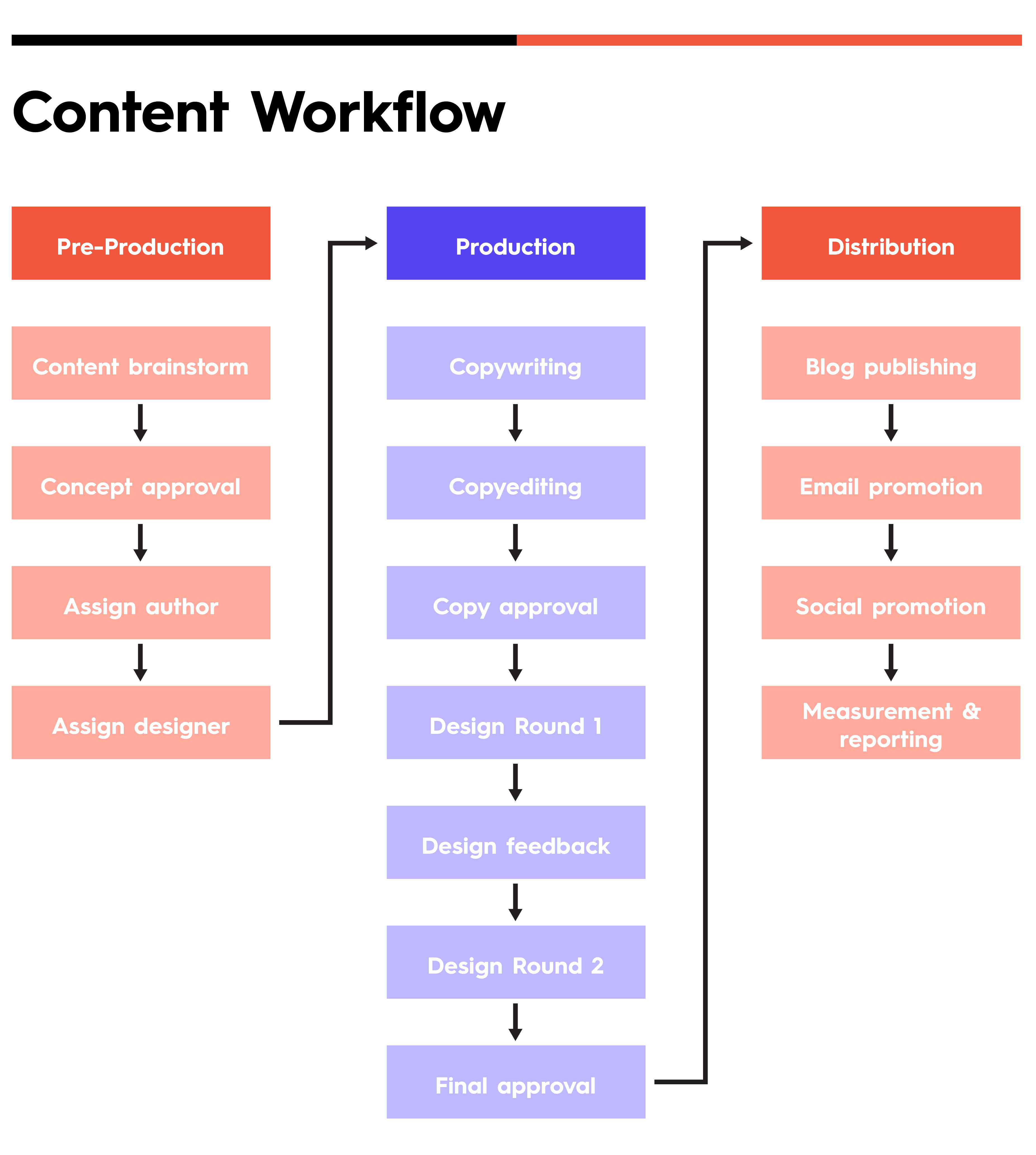
Planning 30 days ahead is ideal during busy seasons or when you’re building momentum. Planning 60–90 days ahead works best when you want stability, consistency, and fewer last-minute decisions.
The goal is not perfection—it’s sustainability. Your plan should support your capacity, not stretch it beyond reason.
👉 Related read: Productivity Systems
Map Content Strategically Across the Calendar

Once your pillars and timeframe are clear, start mapping content across your calendar. Rotate your pillars intentionally so your message feels balanced and clear instead of repetitive or scattered.
This also helps analytics later—when content is evenly distributed, you can better compare performance across themes and formats.
👉 Tool suggestion: Content Calendars
Batch Content to Save Time and Energy


Batching is one of the most effective ways to maintain consistency without burnout. Instead of creating content daily, you group similar tasks together—writing, filming, designing—so your brain stays in one mode at a time.
This approach also allows you to review content performance before your next batch, making your system adaptive, not rigid.
👉 Analytics connection: Analytics & Reporting
Leave Intentional Space for Real-Time Content
Even the best content plans need flexibility. Leave open slots for real-time insights, trends, audience questions, or inspiration. This keeps your content human and relevant while protecting your overall structure.
Think of your calendar as a framework—not a cage.
Use Analytics to Refine Every Planning Cycle

Analytics are what turn content planning into a growth tool. At the end of each 30–90 day cycle, review performance with intention.
Focus on metrics that reflect real engagement and action, such as:
- Saves and shares
- Comments and conversations
- Profile visits
- Website clicks
- Email sign-ups
Avoid over-focusing on views alone. High saves and shares often indicate deeper resonance—and those are the signals worth repeating.
👉 Deep dive: Analytics & Reporting
Adjust the Next 30–90 Days Based on Data
Planning is a loop, not a one-time task. Use what you learn to refine your next cycle:
- Repeat high-performing formats
- Expand on top-performing topics
- Remove what drains energy without results
Over time, your content system becomes more efficient, more aligned, and more impactful.
Final Thoughts
Planning 30–90 days of content is about building a system that supports your creativity, your goals, and your well-being. When strategy and analytics work together, content stops feeling overwhelming and starts feeling purposeful.
Consistency becomes calm. Growth becomes intentional.


